Professional·One-stop Services
Get customized solution and favorable quotes here: +86 13526692320

Climate change is one of the most pressing challenges facing the world today, closely linked to greenhouse gas emissions, fossil fuel consumption, and poor waste management. Reducing waste, cutting carbon emissions, and developing clean energy have become global priorities. As the world seeks sustainable solutions, pyrolysis renewable energy plants play a vital and practical role in this effort. This article will provide a detailed introduction.
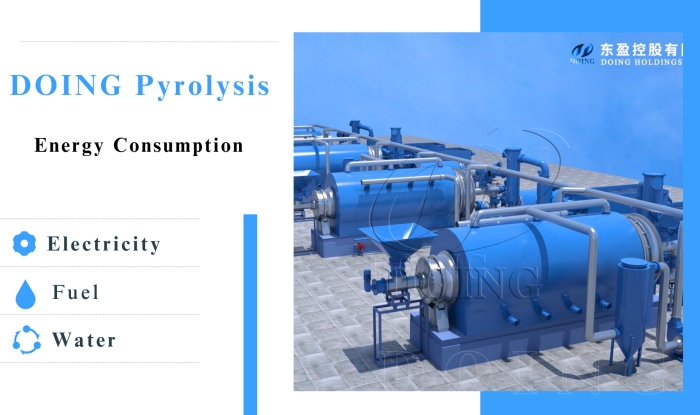 DOING pyrolysis renewable energy plants roles
Reducing Greenhouse Gas Emissions
Methane and carbon dioxide are among the leading contributors to global warming. Traditional waste management methods, such as landfilling and incineration, produce large amounts of methane and carbon dioxide. Pyrolysis renewable energy plants convert organic waste such as tires, plastics, and sludge into high-value energy sources in an anaerobic thermal environment, reducing the amount of waste sent to landfills and preventing harmful emissions from uncontrolled incineration.
Decarbonizing Industrial Fuel Consumption
Traditional fossil fuels such as coal and petroleum are major sources of carbon emissions. The primary output of a pyrolysis renewable energy plants is pyrolysis oil (also known as furnace oil), which serves as a direct substitute for virgin crude oil in heavy industries, such as cement factories, glass plants, steel plants, boiler heating, heavy oil generators, and boiler operations. In addition, about 10% of non condensable gases are recovered for heating the reactor, significantly reducing external fuel consumption.
Advanced Emission Control
A common concern in thermal treatment processes is secondary pollution. However, Henan DOING Company pyrolysis renewable energy plants are equipped with multi-stage dust removal systems and gas purification devices to purify the non-flammable and non-condensable waste gases generated during the production process, ensuring that emissions comply with strict environmental standards in various countries.
High Efficiency Versatility
1.Large-scale and High-efficiency Waste Processing in Pyrolysis Renewable Energy Plants: A single pyrolysis renewable energy plant can process up to 50 tons/day, with an annual organic waste processing capacity exceeding 18,000 tons. Our customized pyrolysis equipment solutions also support multiple units connected in series for parallel processing, achieving even higher throughput.
2.High Product Yield in Pyrolysis Renewable Energy Plants: Waste plastic bags (PP, PS, PE) can achieve an oil yield of up to 90%. Even for mixed plastics, their production remains between 40-60%. For waste tires, the oil production is usually 40-45%, while truck tires provide a more stable production.
Pyrolysis renewable energy plants not only compliantly and environmentally treat waste but also generate renewable fuel resources that are easy to utilize and bring potential economic profits.
In addition, Henan DOING Company recommends strictly controlled multi-stage operations to ensure process efficiency and environmental safety. Classify waste materials (plastic or tires) to remove impurities such as metal, paper, or food residue. Then clean and dry them to improve pyrolysis efficiency and oil quality. Send the prepared raw materials into the pyrolysis reactor. Heating in an anaerobic environment causes the long-chain molecules of the material to decompose into vaporized oil and gas. The hot oil gas is rapidly cooled in the condenser, liquefied into pyrolysis oil, and then collected in a storage tank. Solid residue (carbon black) is discharged for further processing into building materials, pigments, etc.
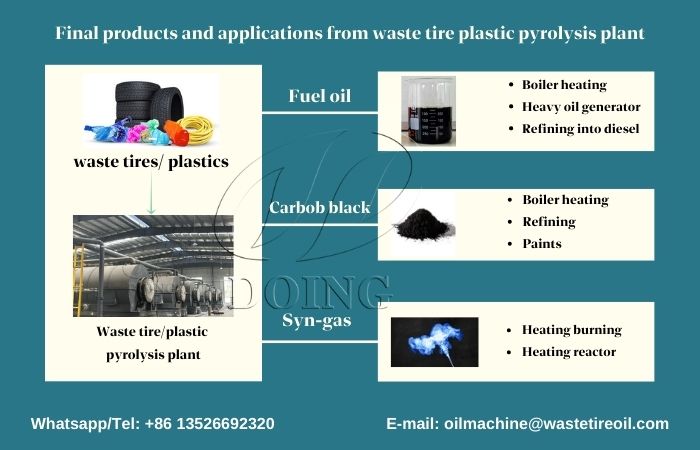 Pyrolysis products applications
Pyrolysis renewable energy plants reduce the use of landfills, prevent harmful emissions from waste decomposition, and produce alternative fuels to replace fossil fuel consumption. By investing in advanced and compliant technologies from experienced manufacturers such as Henan DOING Company, you can achieve complete waste recycling and profitability.
Leave A Message
Leave A Message